Stories from the Lower Levels
-
Rogues spotlight period fashions
Read more: Rogues spotlight period fashions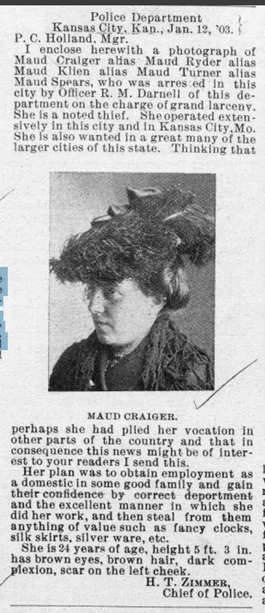
The Detective Magazine, Feb. 1903 One incredibly random but very fun element of the Detective Magazine and mug shots posted online (Sacramento Police Department collected and has shared a bunch of them) is that many of these folks were dressed in their Sunday best. They headed out planning to blend with the crowds as they committed their crimes and had no plans to get arrested. As a consequence, their arrest photos give a really accurate, close up look at the fashions of the day. Suits, ties and hats as everyday wear for the men and, well, sometimes the wildest hats you could imagine on the women.
Maud to the left here may have been a notorious thief but she could rock a feathered hat.
The page below from February 1909 offers a great variety of men’s hats – and Wikipedia actually offers a pretty good guide that identifies different hat types.

The Detective Magazine, Feb. 1909 -
Stealing canines and canaries
Read more: Stealing canines and canaries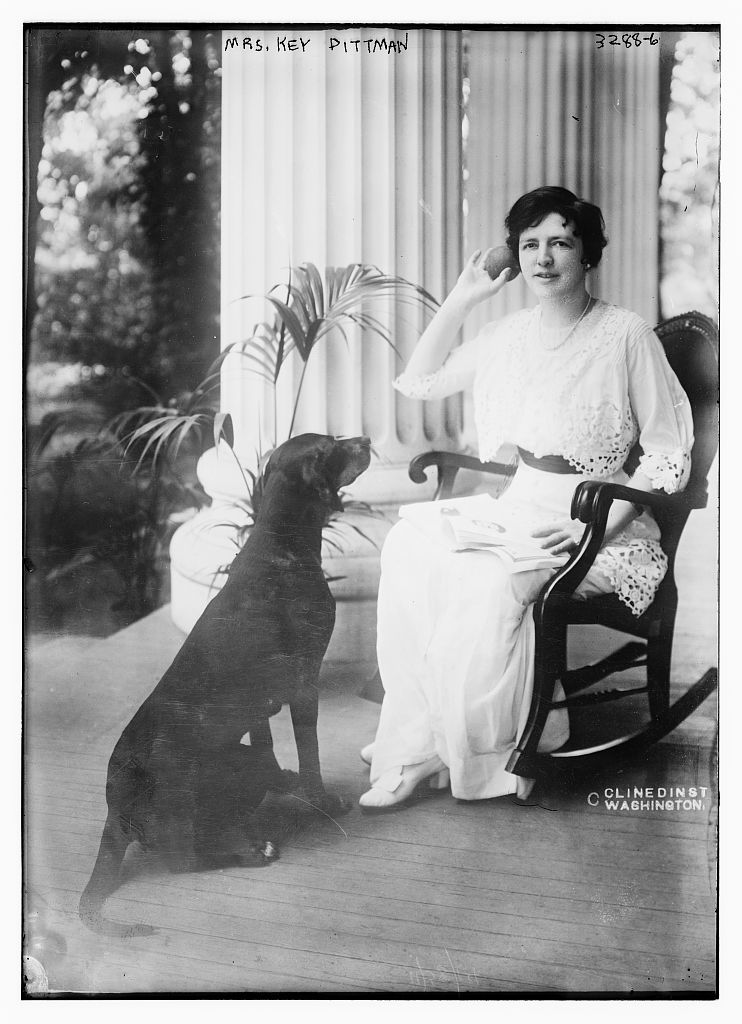
Mrs Key Pitman (random woman with a dog but I bet she would have paid ransom to get him back if he’d been dognapped). [Library of Congress] Among the many fun random facts you can find in the Detective Magazines is the range of specialties practiced by the world’s criminals at the turn of the 20th century. The June 1901 issue (linked HERE) spotlighted a few, including a man that specialized in the theft of canaries “incautiously hung by owners on sunny mornings.” The thief never took cages and was said to be “the best judge in England of a pedigree prize-winner.”
Others targeted opera glasses left on the back of high priced theater seats, ladders left overnight at construction sites and even fancy door mats welcoming guests to luxury homes.
Dog stealing was also apparently a known specialty followed by comparatively small and select gangs of “professionals.”
According to CrimeReads, dognappers in London followed wealthy dog owners and used drugged meat or other treats to lure the canines away. Others likely snatched them outright and ran. Some then demanded ransom to return a beloved family pet while others simply held on to the dogs until a reward was offered and returned the pooch to collect. Apparently folks in the 1800s loved their mutts as much as they do today as according the article, dognapping was a 4,000 pound or approximately $600,000 US$ industry.
-
Finding bad guys- The Detective Magazine
Read more: Finding bad guys- The Detective Magazine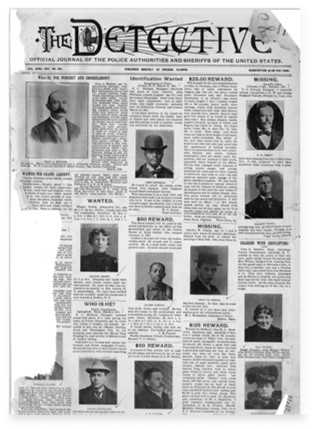
The Bertillon System offered law enforcement a powerful tool in helping to identify experienced criminals—but how to distribute this information to law enforcement agencies across the country?
Publications like The Detective provided an answer. Tarrant County College has posted issues of The Detective online –and offers free access ( a super fun read- I suggest you set aside some time before you check them out).
Per Tarrant College:
The Detective: Official Journal of Police Authorities and Sheriffs of the United States (March 1901-November 1912) The Detective was a monthly journal with articles relating to police work, advertisements for police equipment, and notices for wanted criminals sent from police departments from across the United States and Canada. It was published in Chicago by a a group of national law enforcement associations: the International Association of Chiefs of Police.; the National Bureau of Identification (U.S.); the Interstate Sheriffs’ Association.; the Association of Railway Special Agents of the United States and Canada. The Pinkerton’s Detective Agency was a prominent sponsor and contributor. The magazine was founded in 1885 and published until the mid 1930s.
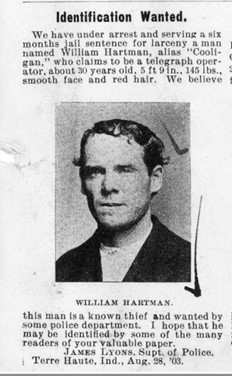
The Detective, Sept. 1903 Early issues offer height, weight, hair color and descriptions like “roman nose” to describe experienced criminals but later added Bertillon measurements.
The magazine also offered photos and descriptions of people captured and serving sentences for petty crimes when officers suspected were guilty of much more.
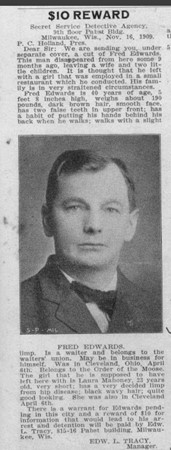
The Detective, Dec. 1909 The magazine also functioned as a widely distributed “Wanted” poster and could even be used to help track down philandering men who had deserted their families.
The Detective also sometimes offered biographies of long-time criminals like Adam Worth, alias “Little Adam”, who enjoyed a nearly 50-year crime spree (netting approximately $3,000,000) with only one short prison sentence [Issue HERE- see page 3] .

